Beyond the Terminal: Adventures of a DevOps Traveler
Mountains, road trips, and the miles between deployments — from Spiti Valley to Gurudongmar Lake, Phuket, Kedarkantha, and beyond
April 10, 202512 min read
The Philosophy: Exploring the World, One Destination at a Time
My Instagram bio reads: "Exploring the world, one destination at a time." By day, I architect cloud infrastructure, manage Kubernetes clusters, and write Terraform modules. But when the laptop closes, the journey begins.
I am a traveler and an adventure seeker. The mountains have always called louder than any PagerDuty alert. Over the years, I have chased sunrises from Himalayan peaks, driven through treacherous mountain passes, explored ancient temples across Southeast Asia, and found stillness in places where the only connectivity is with nature.
Travel is not just a pastime — it is how I recharge and reset. The same problem-solving instinct that drives my engineering work comes alive on the road. Planning a route through uncharted terrain is not unlike designing infrastructure. Assessing risk on a mountain trail mirrors incident management. And the calm that follows reaching a summit? That is the deploy-to-production rush, only far more rewarding.
From the turquoise waters of Thailand to the frozen passes of Spiti, from the spiritual ghats of Rishikesh to Gurudongmar Lake at 17,800 feet — each journey has shaped who I am as a person and as an engineer. Here is a glimpse into the adventures that keep me going.
The adventure never stops
Spiti Valley: Where the Road Ends and the Adventure Begins
Spiti Valley is not a destination — it is a test of will. Nestled at 12,500 feet in Himachal Pradesh, this cold desert valley is one of the most remote and breathtakingly beautiful places in India. The landscape is so barren and otherworldly that driving through it feels like traversing another planet.
The journey itself is the real adventure. The roads — if they can be called that — wind along narrow cliff edges with thousand-foot drops, through river crossings that swallow wheels whole, and over passes that reach 15,000 feet. Mobile signals vanish. GPS becomes unreliable. You navigate by instinct and the occasional road marker half-buried in snow.
The highlights of Spiti:
- Chicham Bridge — one of Asia's highest bridges, suspended over a gorge so deep you cannot see the bottom
- Key Monastery — a thousand-year-old Buddhist monastery perched on a hilltop, standing watch over the valley like a silent guardian
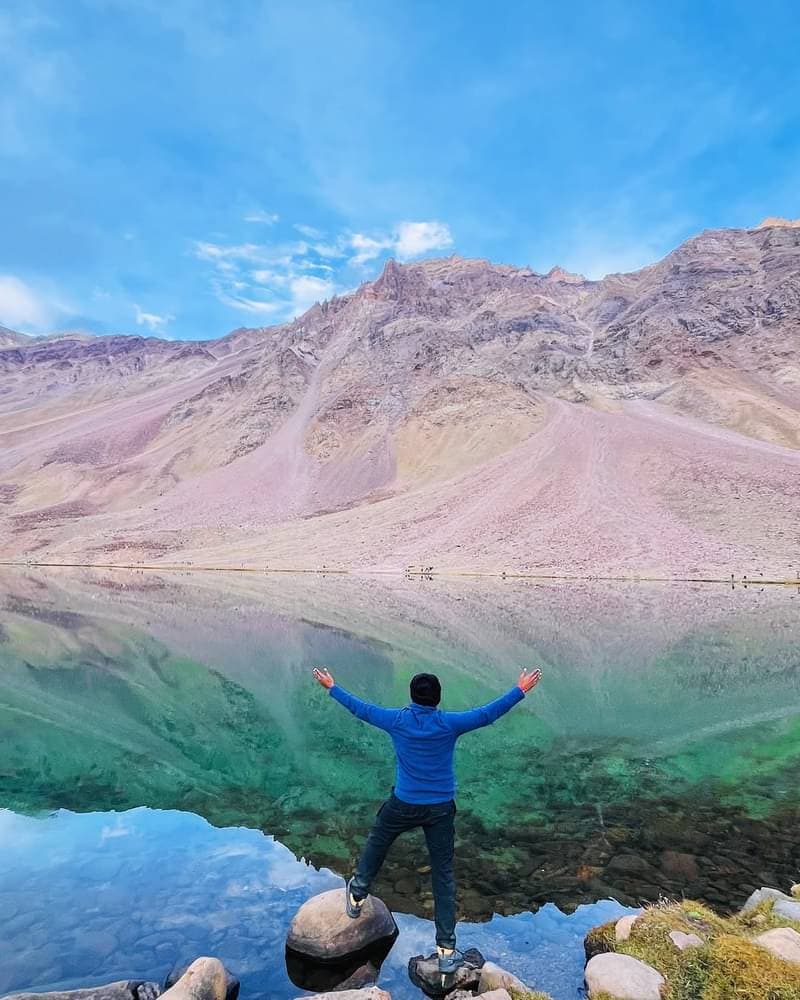
- Chandratal Lake — the "Moon Lake" at 14,100 feet, with water so clear it perfectly mirrors the surrounding peaks
- Kunzum Pass — at 15,060 feet, where prayer flags snap in winds that cut through every layer of clothing
- The night sky — with zero light pollution, the Milky Way stretches overhead so vividly it looks almost unreal
Spiti taught me patience. You cannot rush through roads that barely exist. You cannot control the weather at 15,000 feet. You learn to slow down, respect the mountain, and take it one kilometer at a time — not unlike debugging a production outage at 3 AM, where panic helps no one.
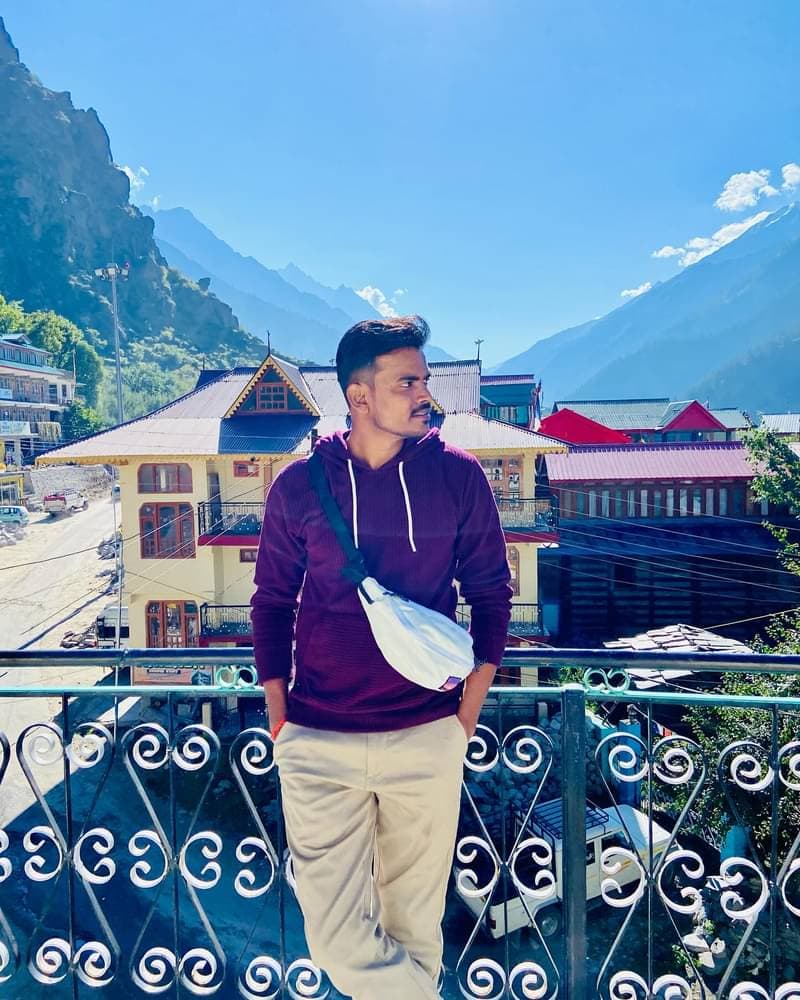
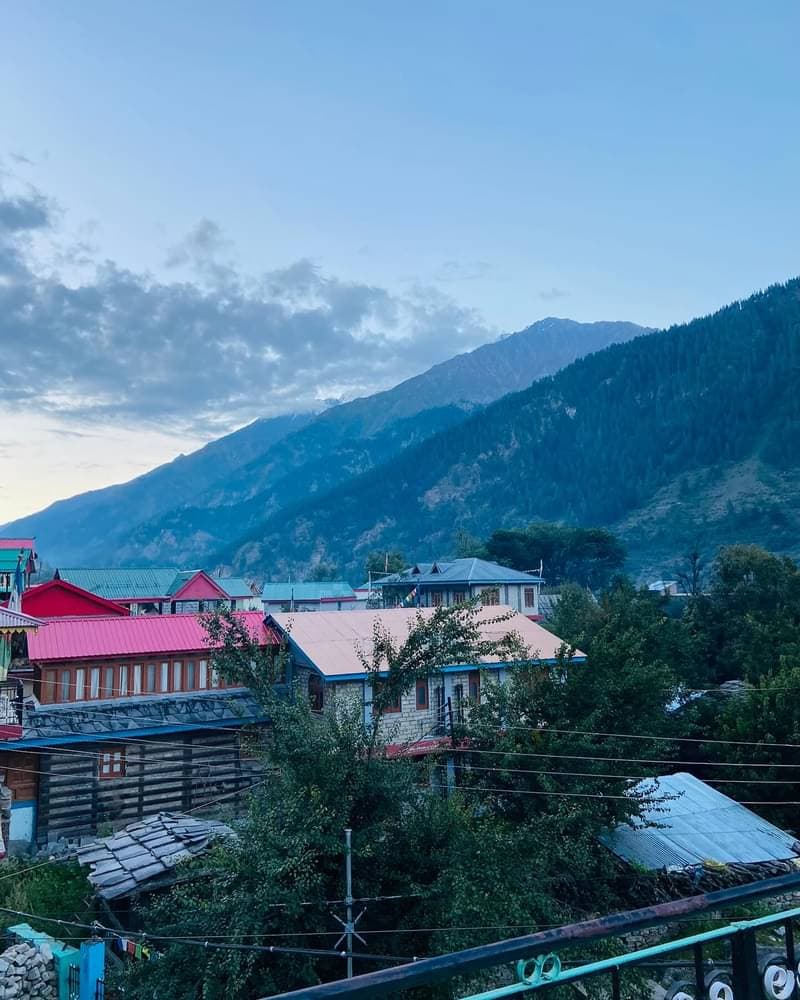
Chandratal Lake — a mirror to the heavens in the heart of the HimalayasMorning views from a mountain village in Spiti ValleyDusk settles over Spiti — where the mountains meet the sky
North Sikkim and Gurudongmar Lake: Heaven at 17,800 Feet
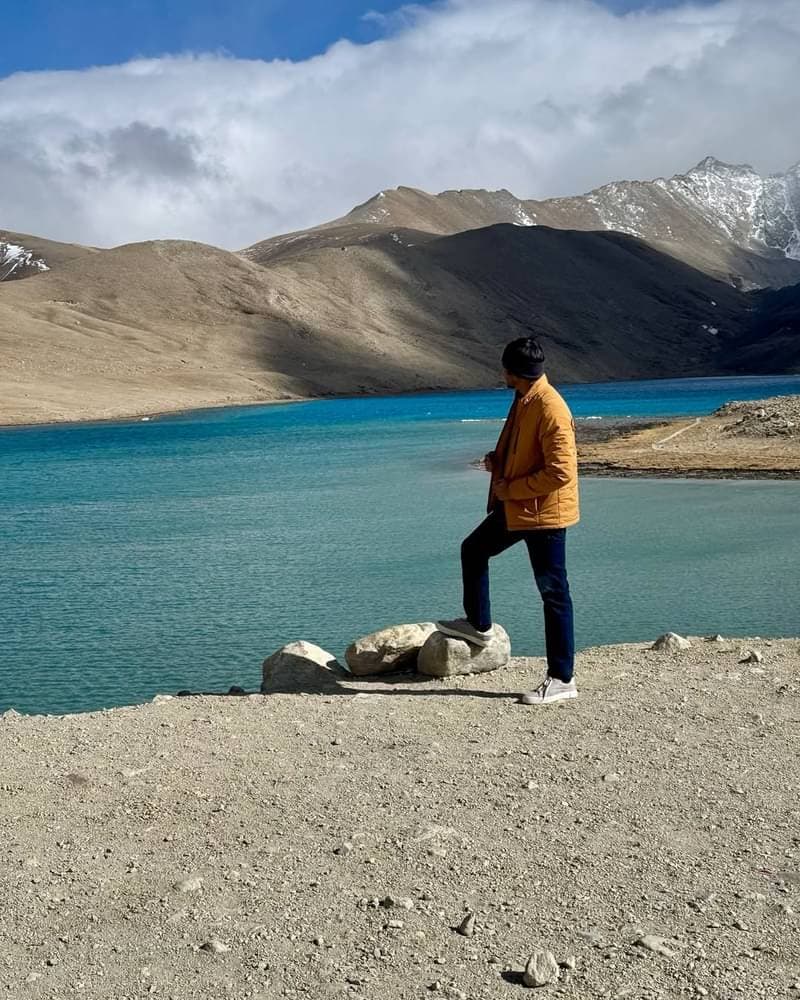
If Spiti Valley tests your will, North Sikkim tests your limits. The crown jewel of this journey is Gurudongmar Lake — one of the highest lakes in the world, sitting at 17,800 feet. Standing at its edge, with the thin air burning your lungs and the vast frozen expanse stretching before you, it becomes clear why people say heaven feels closer up here.
North Sikkim is a restricted area. Special permits are required, and travel beyond certain checkpoints is only allowed with authorized guides. The drive from Gangtok to Gurudongmar is a full-day journey through some of the most dramatic landscape transitions in India — lush subtropical valleys give way to barren alpine desert within hours.
The experiences that stayed with me:
- Gurudongmar Lake — partially frozen even in summer, the lake sits in a natural crater surrounded by snow-capped peaks. The water is an impossible shade of turquoise against the brown and white landscape.
- Lachung and Lachen — tiny mountain villages that serve as base camps, where locals welcome travelers with butter tea and warmth despite the freezing temperatures.
- Yumthang Valley — known as the "Valley of Flowers" in Sikkim, carpeted with rhododendrons in spring.
- The altitude — at 17,800 feet, every step feels like ten. Breathing becomes a conscious effort. Moving slowly is not a choice; it is survival.
Altitude sickness hit hard on this trip — headaches, nausea, the feeling of your skull being compressed from all sides. But watching the sunrise paint Gurudongmar Lake in shades of gold while the rest of the world slept — that is a reward no Kubernetes deployment will ever match.
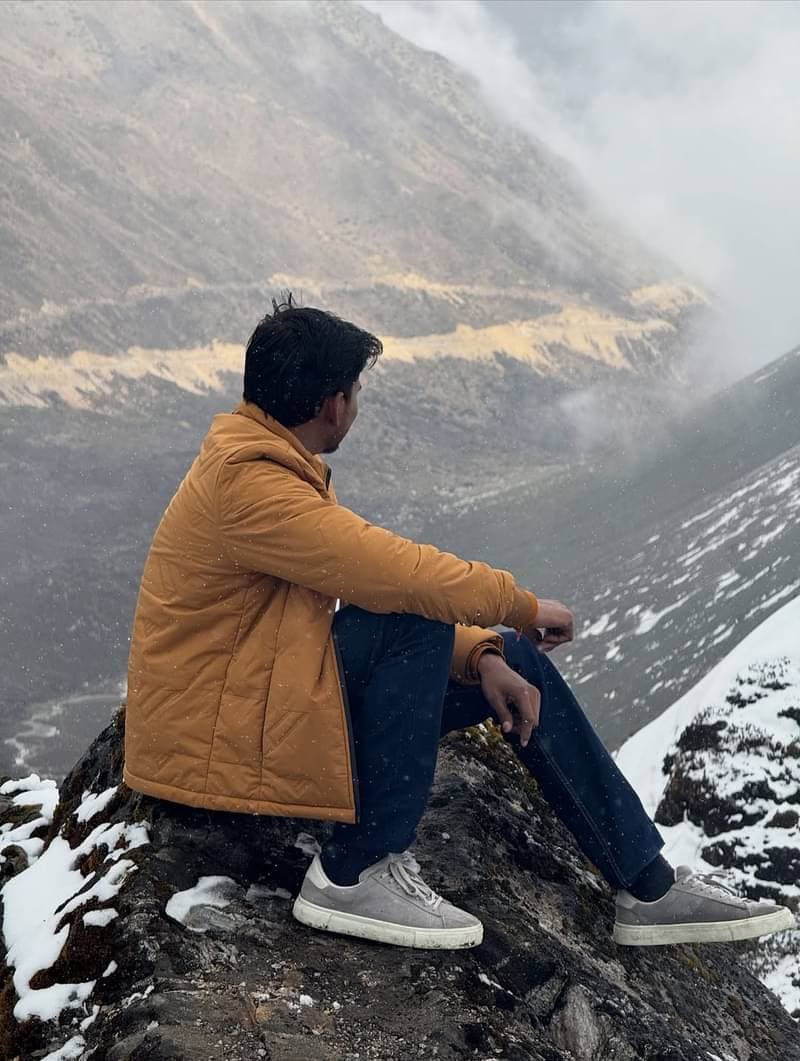
Heaven feels closer at 17,800 ft — Gurudongmar Lake, North Sikkim
Kedarkantha Trek: My First Himalayan Summit
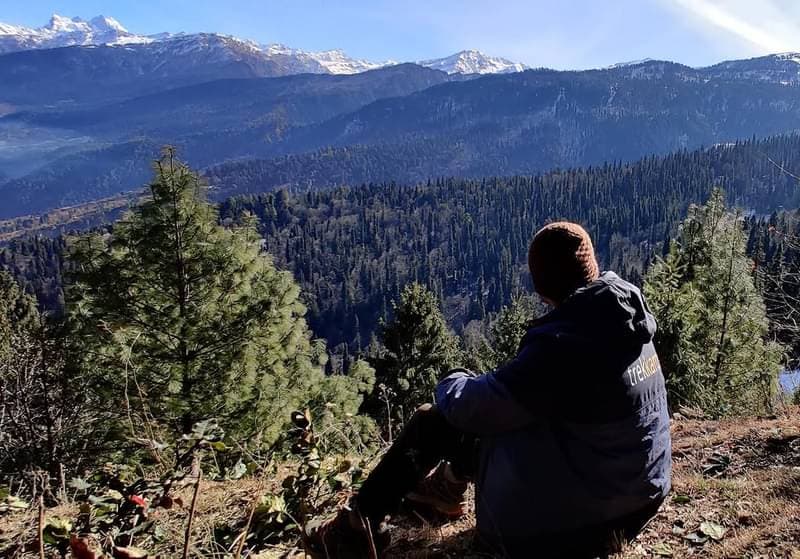
Standing at 12,500 feet on the Kedarkantha summit, with the entire Himalayan range laid out before me — Swargarohini, Bandarpoonch, Black Peak, Ranglana — that was the moment I knew trekking would become a lifelong pursuit.
Kedarkantha in Uttarakhand is widely regarded as the perfect first winter trek, and for good reason. The trail winds through dense pine and oak forests blanketed in snow, past frozen streams and shepherd meadows, leading to a summit that rewards you with a full 360-degree panorama of snow-covered peaks.
The trek, day by day:
- Day 1: Sankri to Juda Ka Talab — a gentle ascent through forests, ending at a frozen lake framed by towering pines. We camped by the lake under a sky dense with stars.
- Day 2: Juda Ka Talab to Kedarkantha Base Camp — the forest thins, the snow deepens, and the views open up dramatically. The base camp sits in an exposed meadow with the summit looming above.
- Summit Day: Base camp to the peak and back — the final push begins before dawn. The last stretch is a steep snow climb, but when you crest the top and see golden light spill across the Himalayan peaks, every step of exhaustion fades away.
The cold was brutal — temperatures plunged to -15°C at night. Water bottles froze solid. My phone shut down within minutes of exposure. But the warmth of the campfire, the camaraderie among fellow trekkers, and the sheer grandeur of those mountains made every moment worthwhile.
The Uttarakhand Himalayas — where the trek begins
Phuket, Thailand: A Tropical Reset
After months of terminal screens and YAML files, Phuket was the reset I did not know I needed. Thailand's largest island is a world apart from the Himalayan treks — warm turquoise waters, white sand beaches, vibrant night markets, and a culture that moves at its own unhurried pace.
Phuket was not about adrenaline or conquering peaks. It was about slowing down. Watching sunsets from Promthep Cape, island-hopping around Phi Phi and James Bond Island, savoring street food at the Phuket Old Town night market, and simply being present without an agenda.
The standout experiences:
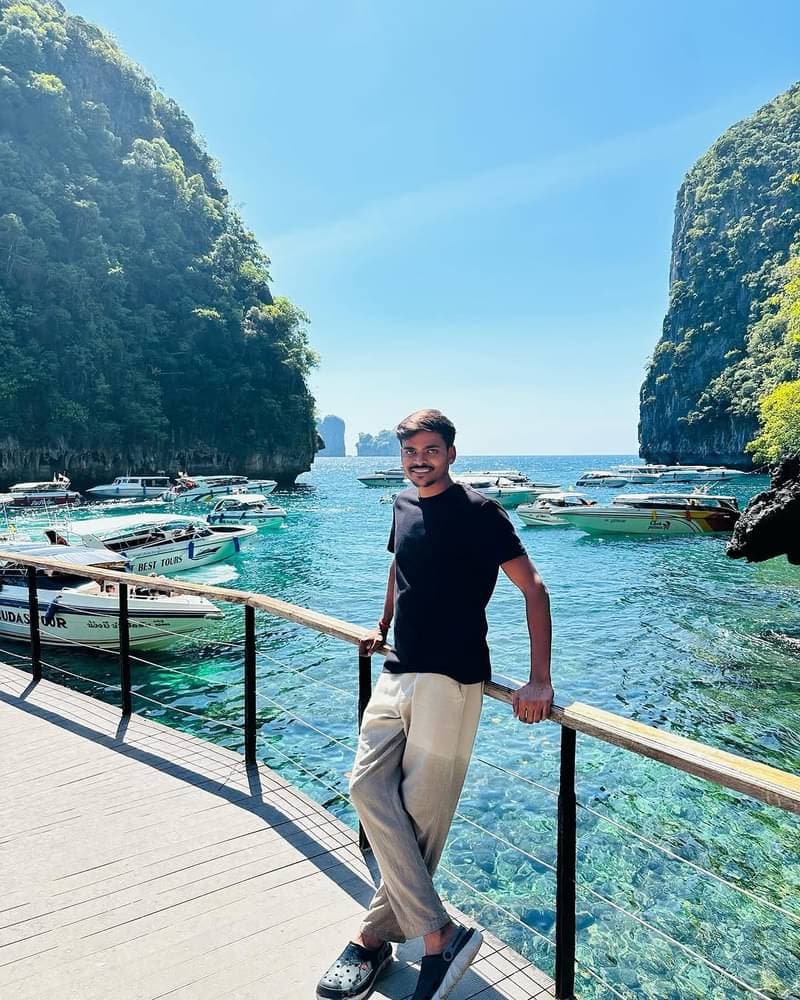
- Phi Phi Islands — the emerald green waters and towering limestone cliffs look as though they have been digitally enhanced, but they are real and even more stunning in person
- Phuket Old Town — colorful Sino-Portuguese architecture, hidden cafes, and street art that chronicles the island's multicultural heritage
- Big Buddha — the 45-meter white marble statue atop Nakkerd Hill, offering panoramic views across the entire island
- Thai street food — pad thai prepared in a wok over open flame by a vendor who has spent decades perfecting the craft
What struck me most was the Thai approach to life. There is a concept called "sabai sabai" — roughly translated as "relax, take it easy." Coming from a world of on-call rotations and incident response, that philosophy was both unfamiliar and deeply welcome.
Maya Bay, Phi Phi Islands — where the mountains meet the sea
Rishikesh and Manali: The Adventure Capitals
Rishikesh and Manali are two destinations I find myself returning to again and again. They serve distinctly different purposes — Rishikesh for raw adventure and spiritual grounding, Manali as the gateway to the higher Himalayas — but together, they form the backbone of my North India travels.
Rishikesh — known as the Yoga Capital of the World, though for me, it is the adrenaline capital:
- White water rafting on the Ganges — Class III and IV rapids that toss you around mercilessly. The 16-kilometer stretch from Shivpuri to Rishikesh is pure, controlled chaos.
- Bungee jumping at Jumpin Heights — 83 meters of freefall over a rocky gorge. Those five seconds feel like an eternity.
- Evening Ganga Aarti at Triveni Ghat — after all the adventure, watching the fire ceremony on the banks of the Ganges at sunset brings a profound sense of peace.
- The cafe culture — sitting at a cliffside cafe overlooking the Ganges, journaling about the day over a cup of masala chai.
Manali — the gateway to everything higher:
- Rohtang Pass — at 13,050 feet, connecting Manali to Lahaul and Spiti. Driving up through snow walls taller than the vehicle is surreal.
- Old Manali — a backpacker haven with wooden houses, apple orchards, and a laid-back mountain atmosphere.
- Solang Valley — paragliding with the snow-capped Pir Panjal range as the backdrop.
- The Atal Tunnel — a 10-kilometer engineering marvel at 10,000 feet that connects Manali to Lahaul, reducing a five-hour journey to just fifteen minutes.
Life on the Road and Pune: Home Base
There is something irreplaceable about a long drive through the mountains. The open road stretching ahead, the landscape shifting with every turn, the quiet focus of navigating mountain passes at altitude. When you are driving through hairpin bends at 14,000 feet or cruising along a coastal highway, you are not thinking about Terraform state files or pod failures. You are completely, entirely present.
Pune is where it all comes together — my work, my home, and the starting point for countless road trips. The city sits perfectly between the Western Ghats and the Konkan coast, making it an ideal base for a traveler. Weekend drives to Lonavala, Mahabaleshwar, or Lavasa are just a couple of hours away.
Some of the most memorable road trips:
- Manali to Spiti via Kunzum Pass — over 200 kilometers of some of the most challenging roads in India. River crossings, landslide zones, thin air, and scenery so stunning you find yourself pulling over every few minutes.
- Pune to Goa via the Konkan coast — 450 kilometers through winding ghats, past waterfalls, and alongside pristine beaches.
- The Rishikesh mountain roads — driving through the Ganges valley with the river on one side and towering cliffs on the other.
Long drives teach you skills that translate directly to engineering: situational awareness, risk assessment, and the discipline of preparation. A well-planned road trip does not leave you stranded at 15,000 feet. Well-maintained infrastructure does not fail at peak traffic. The principle is the same.
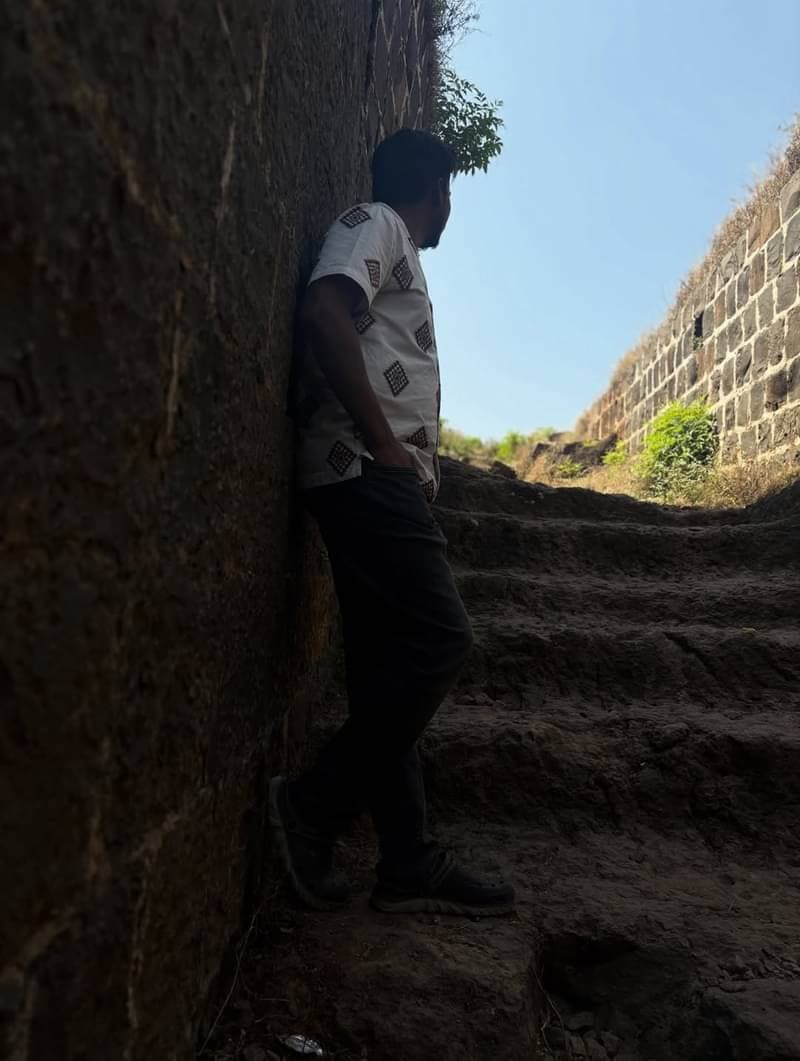
Pune — where the work happens and the adventures begin
What is Next: The Never-Ending Bucket List
The beauty of being a traveler is that the list never shrinks — it only grows. Every trip adds three more destinations you never knew existed. Every conversation with a fellow traveler reveals a new route worth exploring.
On the bucket list:
- Ladakh — the ultimate Indian road trip. Khardung La at 17,982 feet, Pangong Lake, Nubra Valley, and the famed magnetic hill.
- Nepal — the Everest Base Camp trek. Not the summit, just the base camp — the journey through Sherpa villages and Buddhist monasteries.
- Iceland — the land of fire and ice. Northern Lights, volcanic landscapes, and black sand beaches.
- New Zealand — Milford Sound, the Tongariro Alpine Crossing, and the legendary South Island scenic drives.
- Japan — cherry blossoms, ancient temples, and the striking contrast between ultra-modern Tokyo and traditional Kyoto.
But honestly, some of the best trips are the unplanned ones. The spontaneous "let us just drive and see where the road takes us" weekends. A hidden waterfall discovered because of a wrong turn. A mountain village where you stay an extra day because the people are so welcoming.
That is the parallel between travel and technology I keep coming back to: the best discoveries happen when you explore without a fixed destination. Whether it is a new mountain pass or a tool that transforms your workflow — curiosity is the engine, and the road ahead is infinite.
Follow the adventures on Instagram: @ssh_rishabh